- posted by Admin
- 2024-08-27
Global governance, international peace and security: the Director of the CDJS/ECOWAS calls for strong international cooperation.
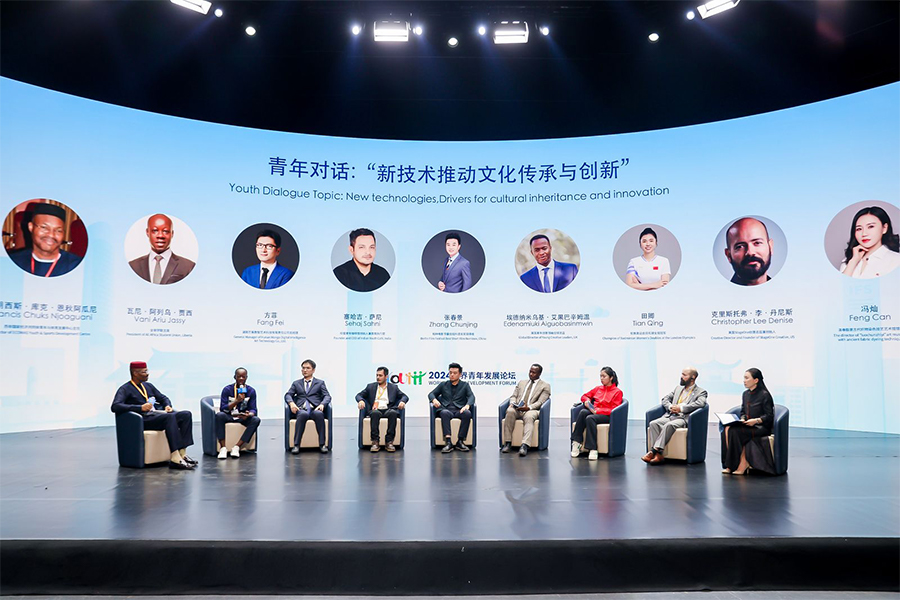
Global governance, international peace and security are matters falling within the remit of the United Nations and the collective responsibility of states. This political and geostrategic responsibility requires the adoption of appropriate and sustainable measures to prevent threats to these values, which are fundamental to development and prosperity. However, it must be said that the various crises are undermining the individual and collective efforts made by states, in harmony with the United Nations, to foster sustained and sustainable growth. That is why vital initiatives must be undertaken to promote democratic values, which are indispensable for international peace and security. As part of this drive, the World Forum on Youth Development was held in Beijing, China. It brought together leading international figures who aim to make young people a voice that counts in global governance – a voice that public and international policies must take into account in the interests of global security. Under the theme ‘Together for a Better Future’, the forum brought together young leaders, youth representatives and international organisations to take part in discussions on technological innovation, climate change, cultural heritage and youth development.
During this high-level meeting, the Director of the CDJS/ECOWAS, His Excellency Ambassador Francis Chuks Njoaguani, addressed the youth pre-meetings in the run-up to the United Nations Summit on the Future, scheduled to take place in New York, USA, in September 2024. The session, themed ‘transforming global governance in a multipolar world’, aimed to gather young people’s contributions to the content and agenda of the United Nations Future Summit. Ambassador Francis welcomed the initiative to organise this forum in China, describing it as an opportunity to engage with young people to offer them a better present, strengthen their skills and safeguard the future. He proposed six potential areas in which young people could contribute to the agenda of the Future Summit. Regarded as key players in transforming global governance, building their communities and creating a peaceful environment, young people’s creativity can open up a better future for them and enable them to play their part in global governance for peace, security and in tackling climate challenges. In the Director’s view, through advocacy and activism, young people can raise awareness of global issues and advocate for change via social media, campaigns and grassroots movements. States face interconnected challenges that can only be addressed through the combined efforts and cooperation of young people in a multilateral world, as well as through investment in education and training to empower young people to assume leadership roles in global governance. Young people can also play other roles in their efforts to help tackle global challenges. These include, in particular, their participation in political discussions, decision-making processes, entrepreneurship and innovation. Hence the need to promote youth-led initiatives to ensure a significant impact through their commitment to international peace and security.
The Director of the CDJS/ECOWAS emphasised the need to explore innovative ideas to address the multiple challenges related to governance, peace and international security. In the Director’s view, the complex new world order is fragmented, with multiple centres of power and a mix of cooperation and competition between nations. This analysis highlights the tensions rending societies apart, which are leading to the undermining of democratic governance, the worsening of humanitarian crises and the destruction of infrastructure and productive capacity.